Source Eye Caring Soft Avatar Night Light for Home, Festival, Commercial
Compare 30 eye caring soft avatar night light options from verified Chinese manufacturers. These LED sensor lights feature customizable designs, ABS or silicone materials, and are suitable for home decoration, festivals, and commercial use with varying battery capacities and certifications.
Key considerations
Products List



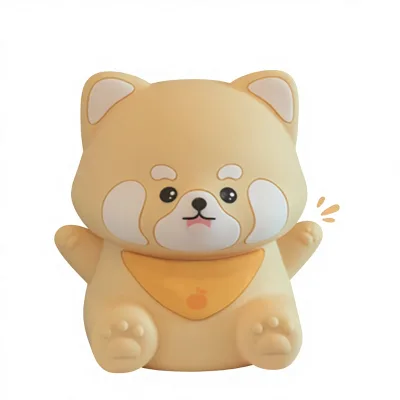

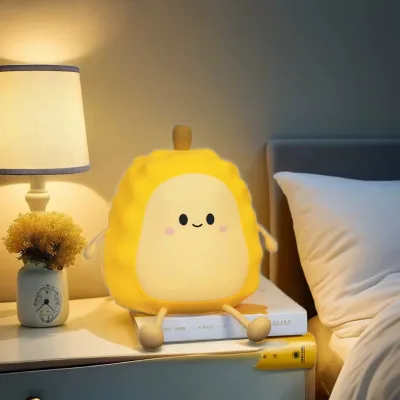
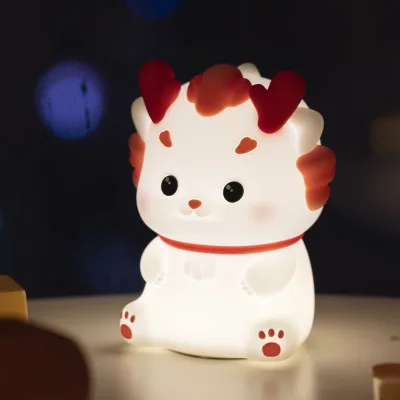
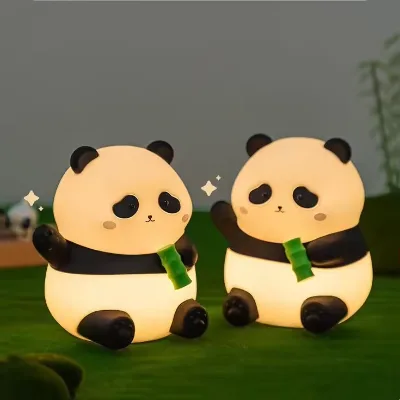
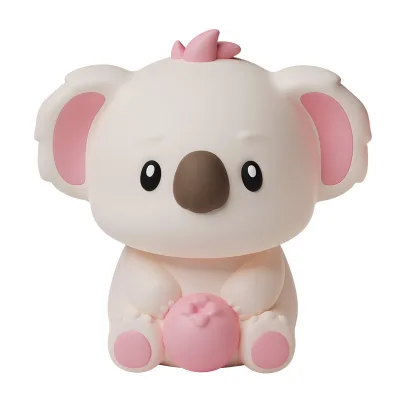
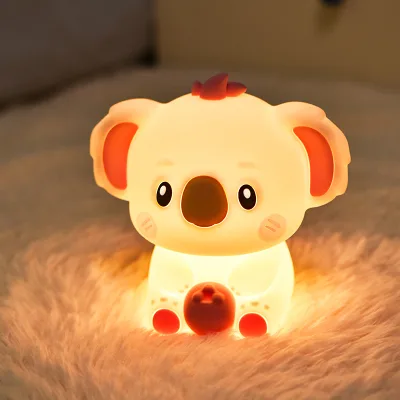
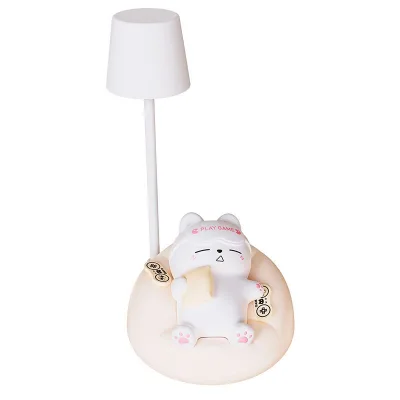
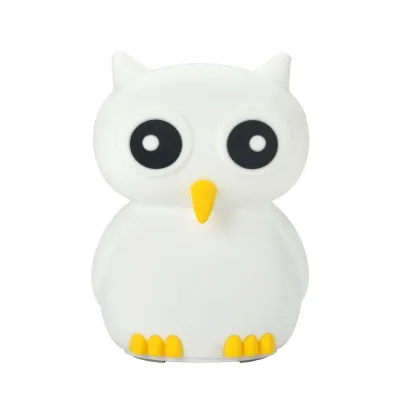


Comprehensive Sourcing Guide
Eye Caring Soft Avatar Night Light Sourcing Guide
Procuring eye-care night lights requires balancing aesthetic appeal with functional safety, particularly for residential and commercial environments. The market offers diverse options ranging from simple LED sensors to complex, touch-responsive units with color-changing capabilities. Buyers must distinguish between products designed for decorative purposes and those intended for practical illumination, ensuring the selected unit meets specific usage requirements. This guide outlines the critical verification steps needed to source reliable inventory that aligns with quality standards and regulatory expectations.
The following sections provide a structured approach to evaluating suppliers, verifying technical specifications, and ensuring compliance. By focusing on observable listing signals and documented certifications, procurement teams can mitigate risks associated with product performance and safety. This methodical process helps in selecting suppliers who can deliver consistent quality, whether the order volume is small or large, and ensures that the final product meets the expectations of end-users regarding light quality and durability.
Product Scope and Observed Listing Signals
The current market landscape for eye-care night lights includes a variety of form factors, from compact sensor-based units to larger, toy-inspired designs. Observed listings indicate a price range of $0.8 to $6.8 USD, with minimum order quantities varying significantly from single units to thousands. These signals suggest a highly competitive market with options for both small-scale testing and bulk procurement. Buyers should note that product sizes range from small, portable units to medium-sized fixtures, each requiring different packaging and shipping considerations.
Key attributes observed include LED light sources, customizable designs, and specific power constraints, often limited to 5W or less. Materials such as ABS and silicone are common, with some units featuring built-in batteries and micro-USB charging interfaces. The presence of features like color-changing functions and touch-sensitive controls adds complexity to the sourcing process. Understanding these variations is crucial for aligning product selection with target market preferences, ensuring that the chosen night lights meet both functional and aesthetic demands.
Technical Specifications to Verify
Verifying technical specifications is essential to ensure product performance and compatibility with intended use cases. Buyers should confirm the exact dimensions, weight, and battery capacity of each unit, as these factors impact shipping costs and user experience. For instance, some models feature a 1200mAh battery with an 18650 cell type, offering approximately five hours of operation after a two-hour charge. Others may rely on different power supply modes, such as direct plug-in or alternative battery configurations, which must be clearly documented.
Light source characteristics, including color temperature and emitting color, are critical for eye-care products. Units with a color temperature of 1800K provide a warm, soothing light suitable for nighttime use. Additionally, features like patting to change color or sensor-activated lighting add value but require rigorous testing to ensure reliability. Buyers must verify that the product size, box size, and carton dimensions are accurately listed to facilitate efficient logistics planning and inventory management.
Compliance and Safety Documentation
Compliance with international safety and environmental standards is non-negotiable for night light procurement. Certifications such as CCC, CE-LVD, CE-EMC, RoHS, and FCC are commonly observed, indicating adherence to specific regulatory requirements in different markets. Buyers must request valid certificates for each product model to ensure that the supplier has undergone proper testing and certification processes. These documents serve as proof of compliance and are essential for customs clearance and market entry.
In addition to certifications, buyers should verify the materials used in construction, such as ABS plastic or silicone, to ensure they are free from harmful substances. The presence of RoHS certification, for example, confirms that the product is manufactured without certain hazardous materials. It is also important to check for any additional safety features, such as waterproof ratings, although many observed units are not waterproof. Ensuring that all documentation is up-to-date and accurate helps mitigate legal and reputational risks.
Cost Drivers and Commercial Terms
Understanding the cost drivers behind night light pricing is vital for effective budgeting and negotiation. Factors such as material costs, manufacturing complexity, and certification fees significantly influence the final price. Products with additional features, such as color-changing capabilities or built-in batteries, tend to be more expensive than basic sensor lights. Buyers should also consider the impact of customization options, which can add to the overall cost but may provide a competitive advantage in the market.
Commercial terms, including minimum order quantities and lead times, vary widely among suppliers. While some suppliers offer low MOQs for testing purposes, others may require larger orders to achieve economies of scale. Buyers should negotiate clear terms regarding payment methods, shipping responsibilities, and return policies. It is also important to consider the total cost of ownership, including potential costs for rework or returns due to quality issues, when evaluating supplier proposals.
Supplier Qualification and Quality Control
Supplier qualification is a critical step in ensuring the reliability and consistency of night light supplies. Buyers should assess suppliers based on their production capacity, quality control processes, and track record in the industry. Requesting samples for thorough testing is essential to verify product performance, durability, and compliance with specifications. Suppliers who provide detailed product documentation and are transparent about their manufacturing processes are generally more reliable partners.
Quality control measures should include regular inspections of raw materials, in-process checks, and final product testing. Buyers should inquire about the supplier’s defect rate and their procedures for handling non-conforming products. Establishing a clear communication channel with the supplier is also important for addressing any issues that may arise during production or delivery. By prioritizing suppliers with robust quality control systems, buyers can minimize the risk of receiving substandard products.
Long-Term Procurement Checks
Long-term procurement success depends on continuous monitoring and evaluation of supplier performance. Buyers should establish key performance indicators (KPIs) to track metrics such as on-time delivery, product quality, and responsiveness to issues. Regular audits of supplier facilities and processes can help identify potential risks and areas for improvement. Maintaining open communication with suppliers fosters a collaborative relationship that can lead to better product development and cost optimization.
Additionally, buyers should stay informed about changes in regulatory requirements and market trends that may impact product specifications. Adapting to these changes ensures that the sourced night lights remain compliant and competitive. Building a diverse supplier base can also mitigate risks associated with single-source dependency. By implementing a structured approach to long-term procurement, buyers can secure a reliable supply of high-quality night lights that meet evolving market demands.
FAQs
What certifications do these LED night lights hold?
These LED night lights hold CCC, CE-LVD, CE-EMC, RoHS, and FCC certifications. The specific models listed include various combinations of these safety and environmental standards to ensure compliance for international markets and commercial use.
Can I request customization for the product design?
Yes, customization is available for these LED sensor lights. Buyers can request specific designs or modifications to meet unique requirements, as the product attributes explicitly state that customized design options are supported for this category of night lights.
What is the power supply mode for these lights?
The power supply mode for these lights is a built-in battery. Some models feature a 1200mA capacity with a 5-hour battery life and require a two-hour charging time via a Micro interface, ensuring portable and convenient usage.
Which materials are used to construct these night lights?
These night lights are constructed using ABS, Htv, and Silicone materials. The combination of these durable materials ensures the product is safe for home and festival use while maintaining the soft touch required for an avatar-style night light design.
How large are the product dimensions for the main model?
The product dimensions vary by model, with one common size being 45 by 35 by 135 millimeters. Another model measures 121 by 121 by 143 millimeters, while a third option is 134 by 92 by 76 millimeters, offering different scale options.
What is the minimum order quantity for these lights?
The minimum order quantity ranges from 1 to 5000 units depending on the specific supplier and product configuration. This flexible MOQ allows buyers to start with small test orders or scale up to larger commercial purchases without significant barriers.
Are these lights waterproof for outdoor use?
No, these lights are not waterproof and are intended for indoor decoration. They are classified as night lights suitable for commercial, home, and festival environments but lack the necessary sealing for exposure to water or outdoor weather conditions.